

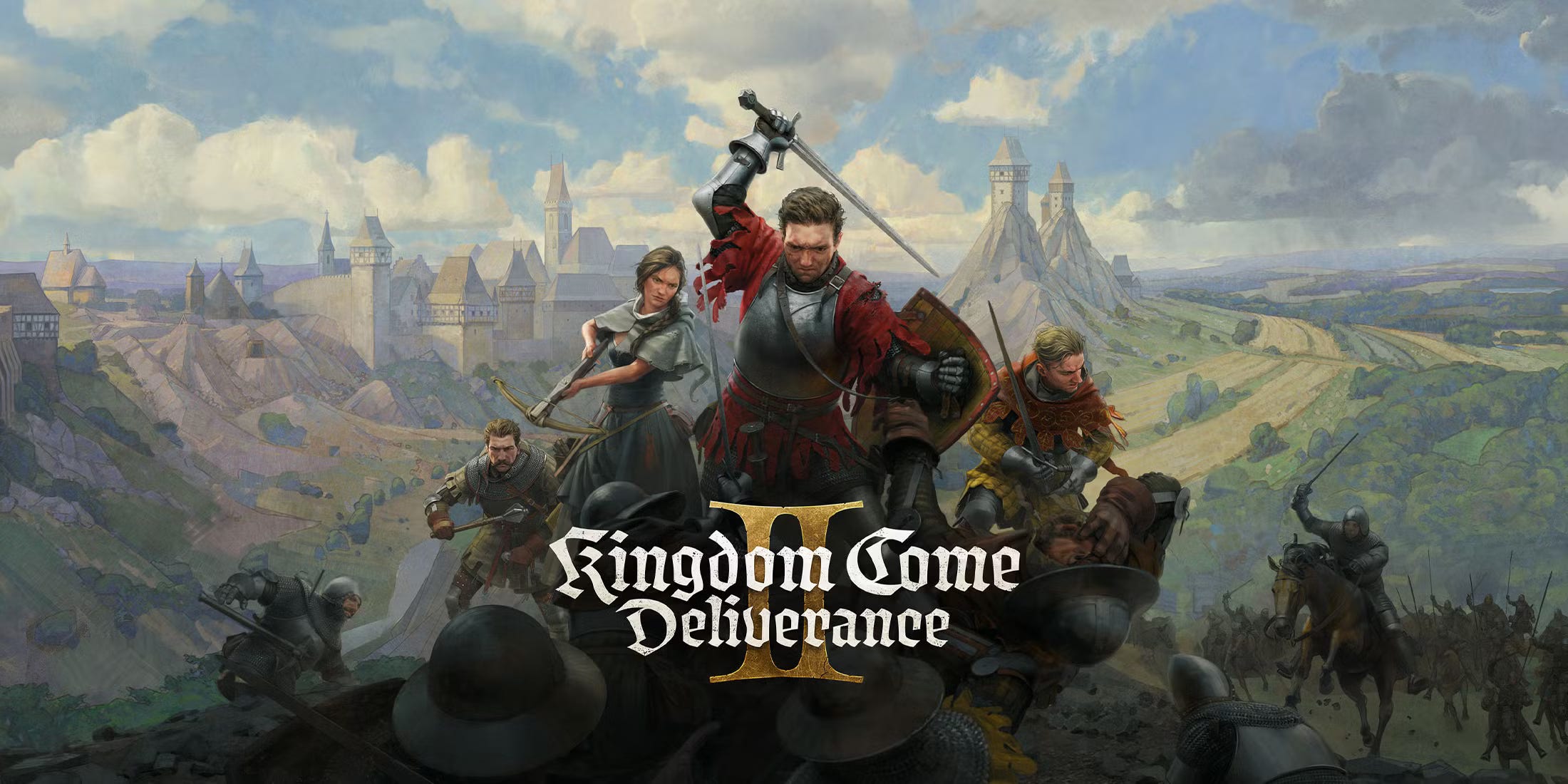
The worst thing about Kingdom Come: Deliverance II is that it could be even better; it could have more to explore; other POIs to find and NPCs to converse with; and even other challenges and quests to pursue by the endgame. Warhorse gave players so much, only to keep us wanting more. This was a deliberate setup for the expansions and DLC content released in the past few months.
I took over two months to complete the main storyline and optional content for the first time. When the hardcore mode came out, I was ready for a second run. As I rode Pebbles from village to village, I found other things to fixate on: the quiet NPCs in taverns as they sit and stare into nothingness; the lack of reactivity to certain actions and features; the occasional glitches or sound sync issues; and so on.
Warhorse are now established open world creators, rivalling Rockstar, Bethesda, and CD Projekt, and to some degree improving upon the formula and cutting down some fluff. Except for the writing, which can be almost biblical, full of chattering NPCs and long-winded ramblings. Yet the immersion factor remains unparalleled, even through major frustration with shortcomings, flaws, and issues.
This review will tackle both the base game content and the expansions. I missed the chance to cover the game on release, and so I decided to wait until all the expansions had been released, along with other patches and new content. This is also the most polished version of the game, with several bugs fixed and kinks ironed out. The main takeaway is the immersion factor, which was also the standout in the original KCD.
Min-Maxed Immersion
The soft reset early in the game severely impairs your skills, and you lose all your gear. It’s an effective way to make you struggle before you become OP in the second half of the game. There are also a few other moments where you have your gear taken from you, and a short period of starvation during a siege. This is a way to balance the difficulty without making it overwhelmingly harder to play, but I was so overpowered by the endgame on both runs that it really didn’t matter.
Both the original and the sequel have this common issue: it’s easy to become OP by grinding and levelling early on, which also removes the challenge of varied builds and allows the player to become a god-like master of all. Some players enjoy this playing curve because it rewards the efforts they put into it, but it still feels too gamey in an RPG striving for realism. This was also my main issue with the original KCD in 2018.
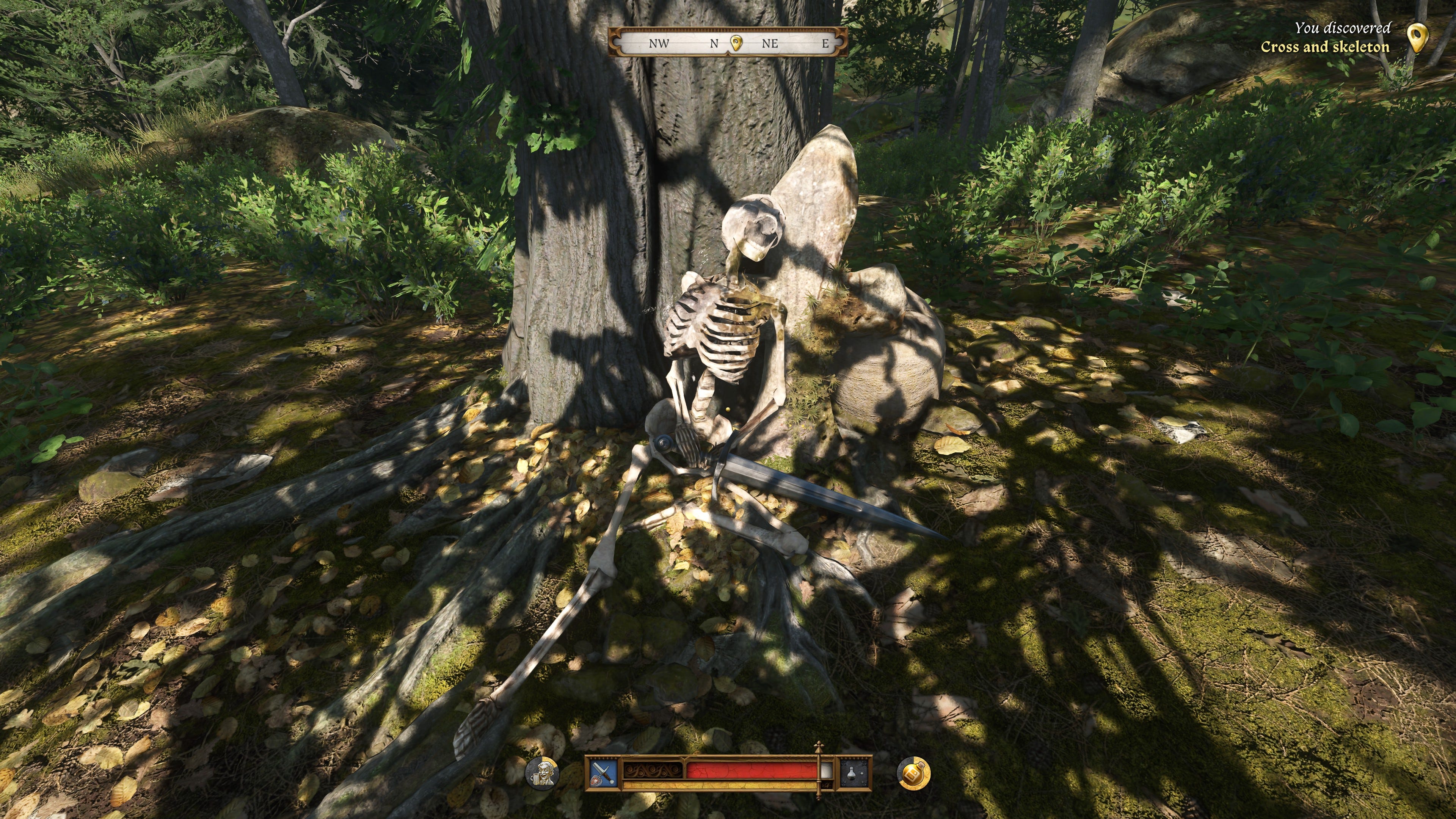
And yet the immersion… What a game to get lost in; what an adventure to walk into the woods and find your way around without a quest marker. The hardcore mode is the proper way to play, even if it takes much longer to complete that way. The journey is the destination; the exploration is its own reward. Fast travel takes away the heart of an open world where there are always rewards for being attentive and thorough.
The expansions bolster the open world exploration, with the radiant quests in Legacy of the Forge leading to expeditions to find stolen goods, and Voyta sending you around the map for his insane missions for Brushes with Death. Then, for the final expansion, you get to wander around the Sedletz monastery in a constrained quest, without weapons and unable to get out before you unravel the mystery.
Smooth Riding
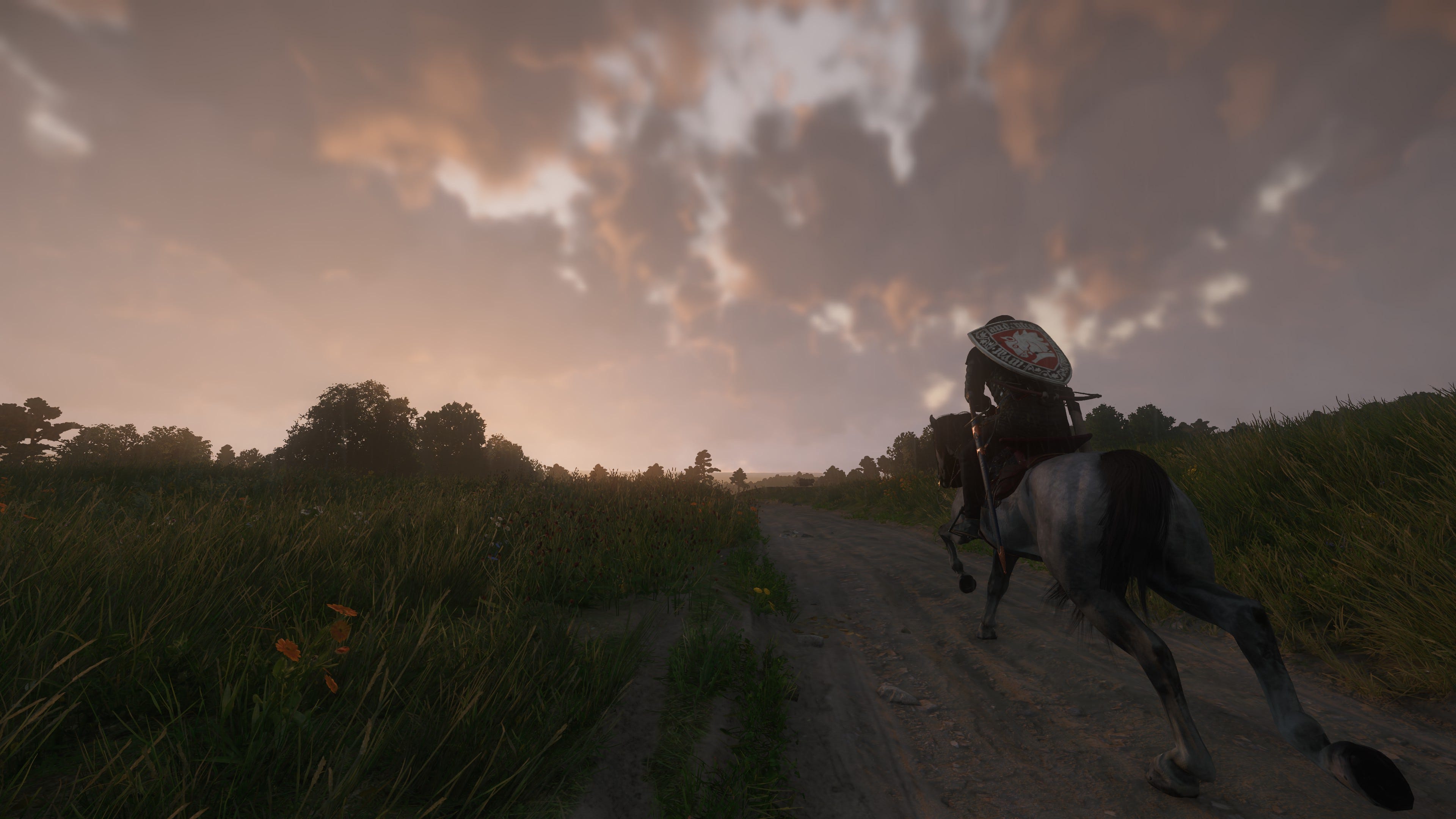
The greatest improvement here is the horse riding path-finding, which means you don’t have to hold down the button to keep riding to your destination. I even hope they will eventually update the original to add this feature, as it would make riding around much more palatable on hardcore mode. Finding your way around is not easy, but after a while it’s like getting to know a city as you adjust to its streets and avenues.
The main problem with both the original and the sequel continues to be the constant transition animations, which can get repetitive and sometimes annoying. Having to wait for an animation to finish before you proceed with the next action can take some patience. The immersion is undeniable; you really feel like you are in that place when you have to open doors, get off your horse, and so on. But you’re also in a hurry.
There are other minor issues and niggling annoyances, but overall the game design is solid, with just a few crashes and freezes. The issues I had were due to corrupt drivers, so players might want to DDU their drivers for a clean slate when that occurs. Compared to other open world games, and even to the original at launch, KCD II is among the most polished experiences I’ve had over the years.
Morality Clauses
Perhaps the most impactful sequence in the main questline is when Henry manages to sneak into Markvart von Aulitz’s private quarters in the Praguer enemy camp, which is optional, and several players reported missing this encounter. The hour of our death: how does a man stand in the face of certain death? Von Aulitz is a compelling villain, and Henry’s choice decides his fate and affects the endings substantially.
Both the sequel and the original hinge on Henry’s relationship with his parents and their morality. The entire causality of Henry’s saga rests on seeking revenge for the senseless slaughter of his parents. He becomes a superhero-like figure in order to find the men who killed his parents, and in the process kills many other men. I don’t think you could be a pacifist in KCD II even if you tried. As such, the ending might be disappointing if you don’t play as a very good boy.
The test of a great open world game is in the side quests and stories. Several are excellent, but the thieves’ guild quests in Kuttenberg felt undercooked. Some side quests felt like copy-and-paste fetch quests, though a few are fun in a cyclical way. The side quests in Legacy of the Forge are more fun than in Brushes with Death and Mysteria Ecclesiae. In the end, you are left wanting more side quests with more meat in them, but the “radiant” quests can keep you going for a while.
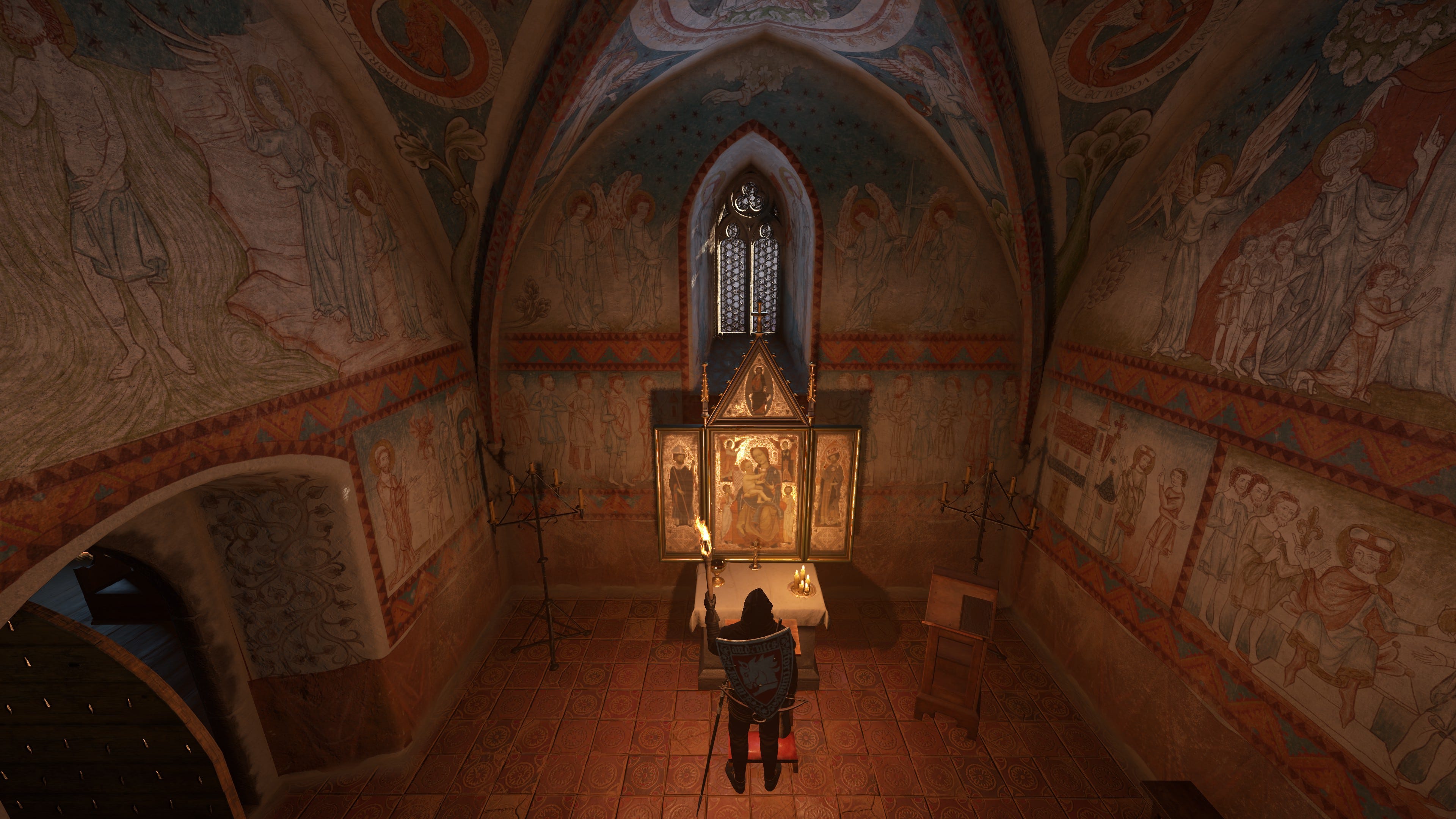
The graphics and art direction are stunning, but a lot of players miss some church interiors, which were astounding in the original. There are only a few small chapels in the sequel. Of course, it makes sense that not every church should be open to the public, but at least one or two could be, so we hope there will still be more side content patches in the future. Probably not, but we can hope.
Lesser Weevils
The release was stable, and the game is mostly solid, but the first patch introduced the Goatskin bug, which I had a major issue with, having to wait at least a week for a fix. A lot of players were stuck, unable to complete the quest and progress with the main questline. Then, with the release of Mysteria Ecclesiae, the bedroom display items in Legacy of the Forge disappeared; we lost items that we invested time to acquire. These were the most egregious bugs that really detract from the overall experience.
Overall, the game is more playable, cozy and immersive than the original, particularly with the horse riding pathfinding. Players shouldn’t have to press a button to ride a horse; there should be a solid system that allows the player to simply enjoy the ride. This makes the constant back-and-forth between villages and locations much more engaging, and it’s the best alternative for fast travel.
That said, I wish NPCs would just walk out of your way when you are riding slowly in a big city. This was possible even in a game like the first Red Dead Redemption, so there is no reason why it wouldn’t be possible today. The NPCs could have funny reactions to the horse as they step aside, run, or jump away. And the horse could also veer if they don’t move away, rather than just brushing past them as they complain.
The crafting and blacksmithing could also be a bit more fleshed out. There are too many items that seem like parts for crafting, but there’s nothing to do with them. A lot of items and food you pick up, like spices, don’t amount to anything, and you can’t consume them in any way. You learn recipes, but they can’t be made. And finally, the reputation system could use an overhaul; a lot of the time, it seems quite buggy.
I also experienced some random crashes in the first few months, which were usually driver failure. I had to DDU my drivers quite a few times since February, but it has been more stable in the last few months. There are a few odd glitches here and there, but for the most part this is as solid as an open world game can get, and that is quite an accomplishment for Warhorse.
Mutt Lover Simulator
All that said, my favourite activity is feeding Mutt and petting him. Sometimes I don’t even play anymore, I just hunt or wander around the inns and butchers buying meat to feed Mutt and pet him. Then I quit the game. Well done, Warhorse: you’ve created the world’s most intricate, most realistic and overwrought medieval mutt petting simulator. That is no mean feat. No other open world will ever match KCD II on this.
It seems like Warhorse are now sitting on a sizeable war chest and ready to take their games to the next level. Whatever their next game is, they will build on this formula and make it bigger, more immersive. Ideally, they will min-max their talents and avoid stretching themselves thin into other genres. There are enough fantasy games. Give us some human, historical messiness, instead of more good-and-evil grandeur.
Best things in life are the small ones. Taking in a sunset and the afterglow. Having a warm meal after coming in from the cold and rain. Feeling cozy and organizing your little world. Having a loyal boy following you around. Cutting down bandits in the woods. Finding something out of the way and noticing something others might not. This is what KCD will always do better than other games in this crowded open world.
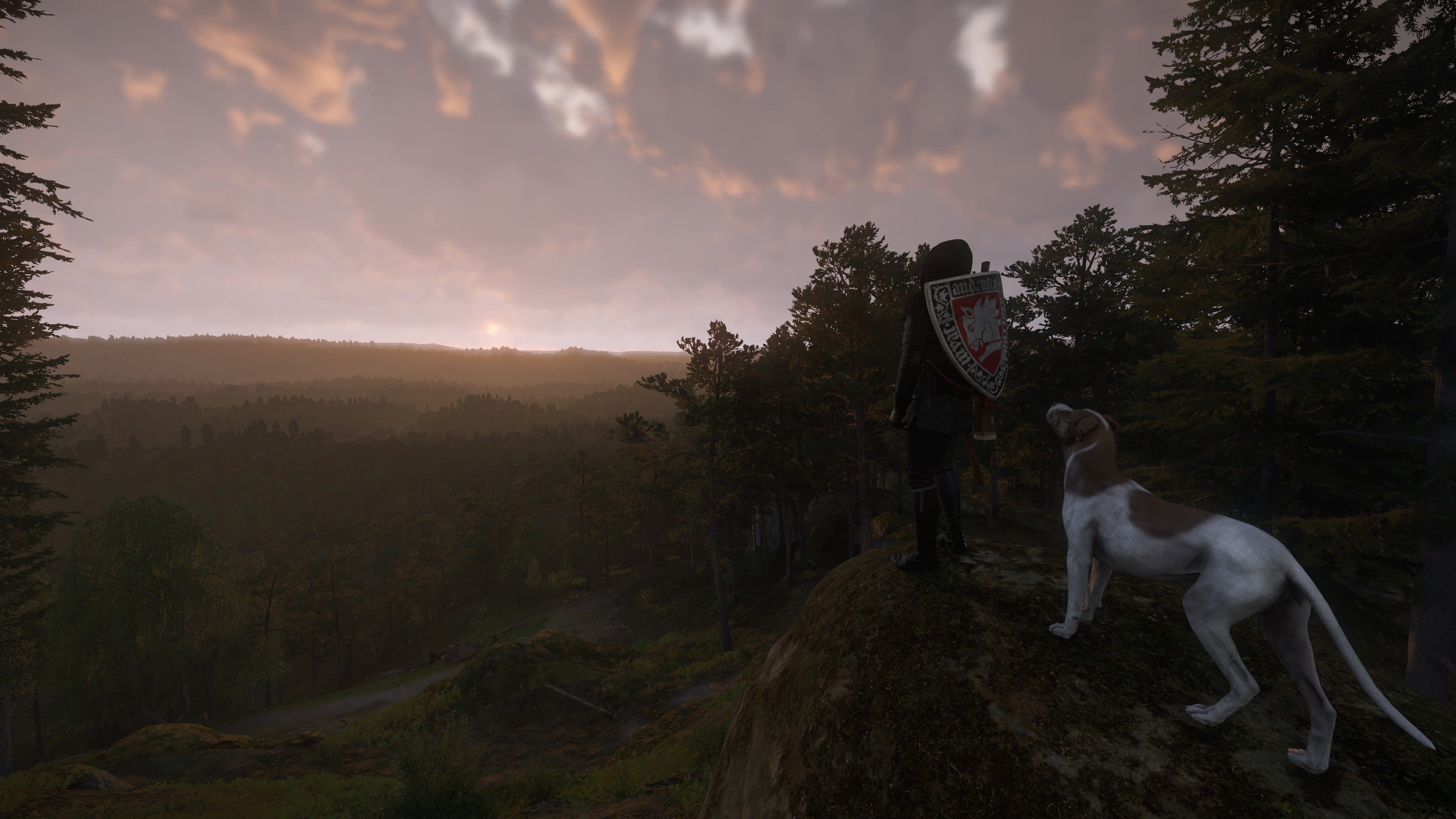
Disclosure: Kingdom Come: Deliverance II was reviewed on PC with a Steam copy purchased by the reviewer, over the course of 350 hours of play time. All screenshots attached were captured during the review process.
Rating: 9.0 / Essential.
The Good
Immersive like a time travel machine;
Compelling realism and detail;
Engaging horse riding;
Side content rewards exploration;
Polished gameplay with few major bugs;
Strong reactivity and morality system;
Mutt.
The Bad
Dialogue can be verbose and redundant;
Grinding leads to overpowered builds;
Repetitive transition animations disrupt flow;
Some quest-breaking bugs (now patched);
Crafting is somewhat limited and underused;
Could use more NPC diversity, POIs, side quests.
Gallery


Kingdom Come: Deliverance II is available on Steam, GOG, Epic, Xbox, and PlayStation. More information on the official website.