

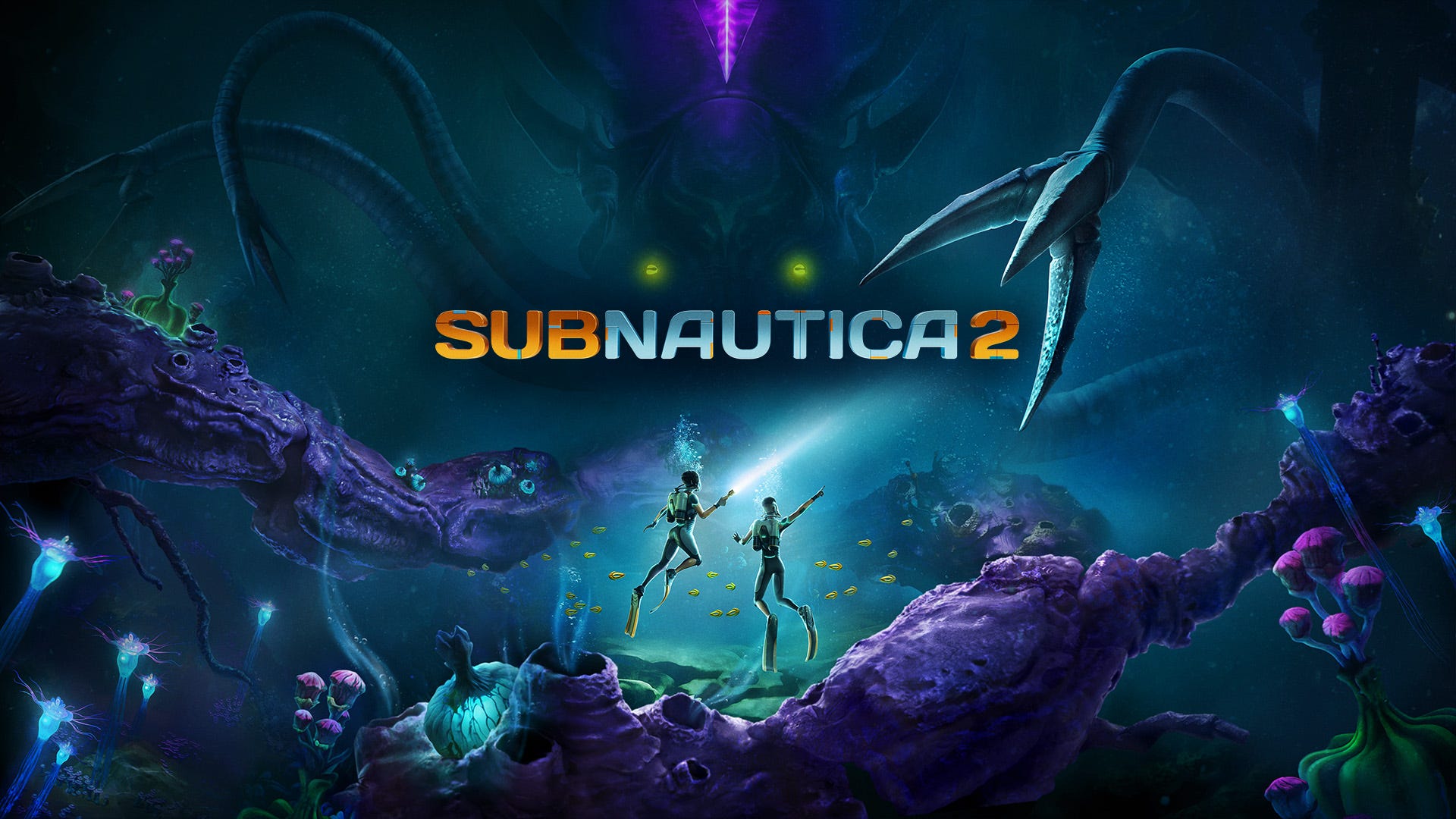
I never played the original Subnautica when it was in Early Access on Steam. It just flew under my radar for some reason. By the time I got a free copy from the Epic Games Store in 2019, the game had already been released for a year. I spent too many hours on survival games such as The Long Dark and The Forest in the early 2010s, and so I might have been burned out on the genre at the time. Man, was I wrong.
Subnautica 2 is the only Early Access game I have paid for in the past few years, and so far, it already feels bigger and better. Not only can you now play it in co-op mode with friends and family, but the sequel already holds more promise and greater possibilities for the worldbuilding developed by Unknown Worlds Entertainment across the games, including the spin-off Subnautica: Below Zero.
What remains is the feeling of exploring and facing the darkness of the deeps. Facing your greatest fears materialised as enormous leviathan-class organisms, now with a whole ecosystem and genus of deep-sea monsters that will haunt your dreams. You will yearn for the plushy, soft days of the Reaper Leviathan as the undisputed king of Leviathanism. You will face terrors beyond your wildest imaginings.
Streamlined Oceans
The transition to the Unreal Engine was the right move by the developers, and the game runs smoothly, with very few glitches. So far, I have had no actual bugs in my first playthrough. The Early Access features red-light walls as you cross into biomes populated by leviathans roaring. The big bullies will mess you up and break your neat Tadpole after you’ve spent hours building it, so I don’t advise crossing just yet.
Non-Leviathan predator fish are also the same assholes they were in Subnautica, and they will sneak up on you or shoot some spikes at you when you’re just swimming around peacefully. But the game feels more streamlined, with fewer annoyances: you no longer have to hold the items on you when you are crafting; the crafting machines instantly use the items in your inventories across all containers.
The gameplay feels familiar but improved in the ways that matter. Some differences make sense, but some differences could use a few tweaks. You can build a base and have a bed in it, but you can’t sleep. The character just lies there as time goes by; you can’t just wake up to avoid the nighttime anymore. This is almost sure to be changed as Early Access develops, but it’s already a missed feature from the previous games.
Alterra Invasion
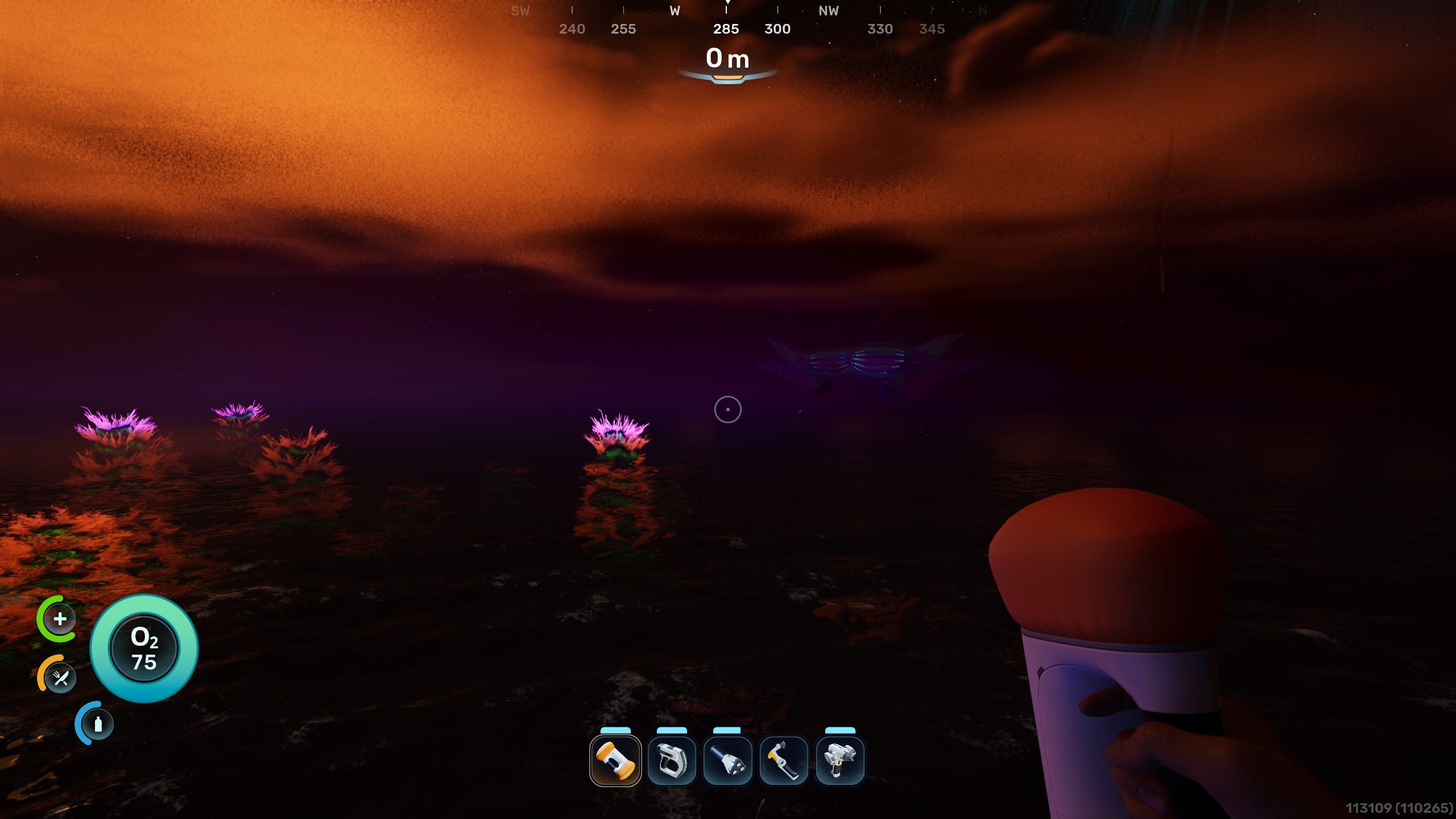
The story feels more fleshed out than in previous games. In the first game, we get the impression that Alterra is a benevolent corporation. As the story progresses, we get a different sense of its role in the story. In Below Zero, we already have a different impression as the characters rebel against Alterra’s dictates. The sequel builds up this tension between what Alterra claims to be and what Alterra really is.
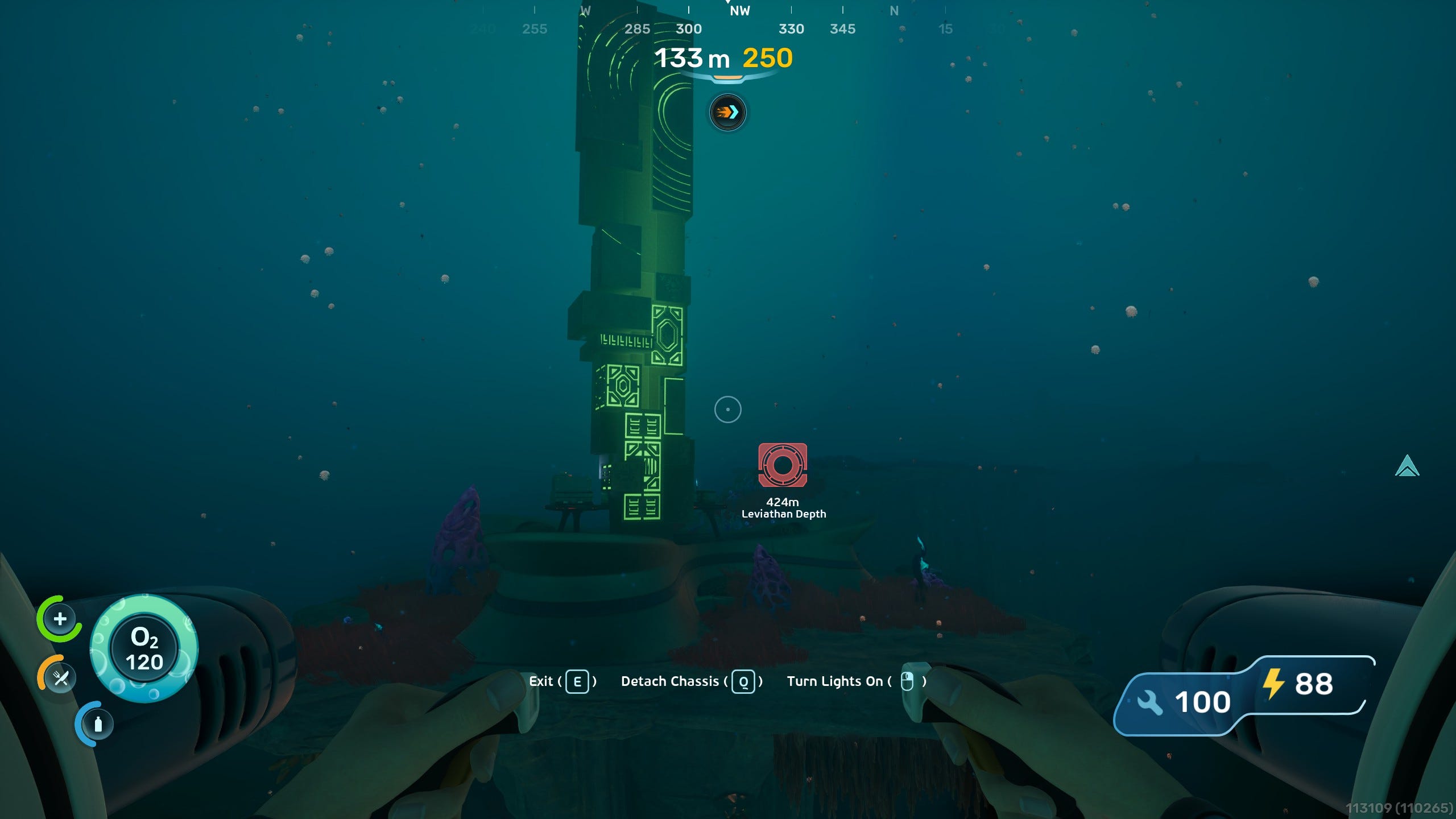
We get this from the same medium of audio logs, messages, and stories left behind, with environmental storytelling doing the rest of the heavy lifting. There is also a sense that the ruins of alien civilizations in the deep are not simply alien but also overwhelming in their scale and power, with pharaonic structures built in the depths. It amplifies the smallness of humans next to these gigantic intelligences.
What Alterra does is, in fact, a planetary invasion: sending ships and crews to this planet to extract resources, technologies, and to plumb the depths is how an enemy civilization conducts an invasion. Your player character awakes in this world as an unwilling foot soldier, enslaved by corporate tyranny, and your role is to witness what Alterra is doing rather than aiding its invasion.
Fear and Loathing in the Abyssal Zone
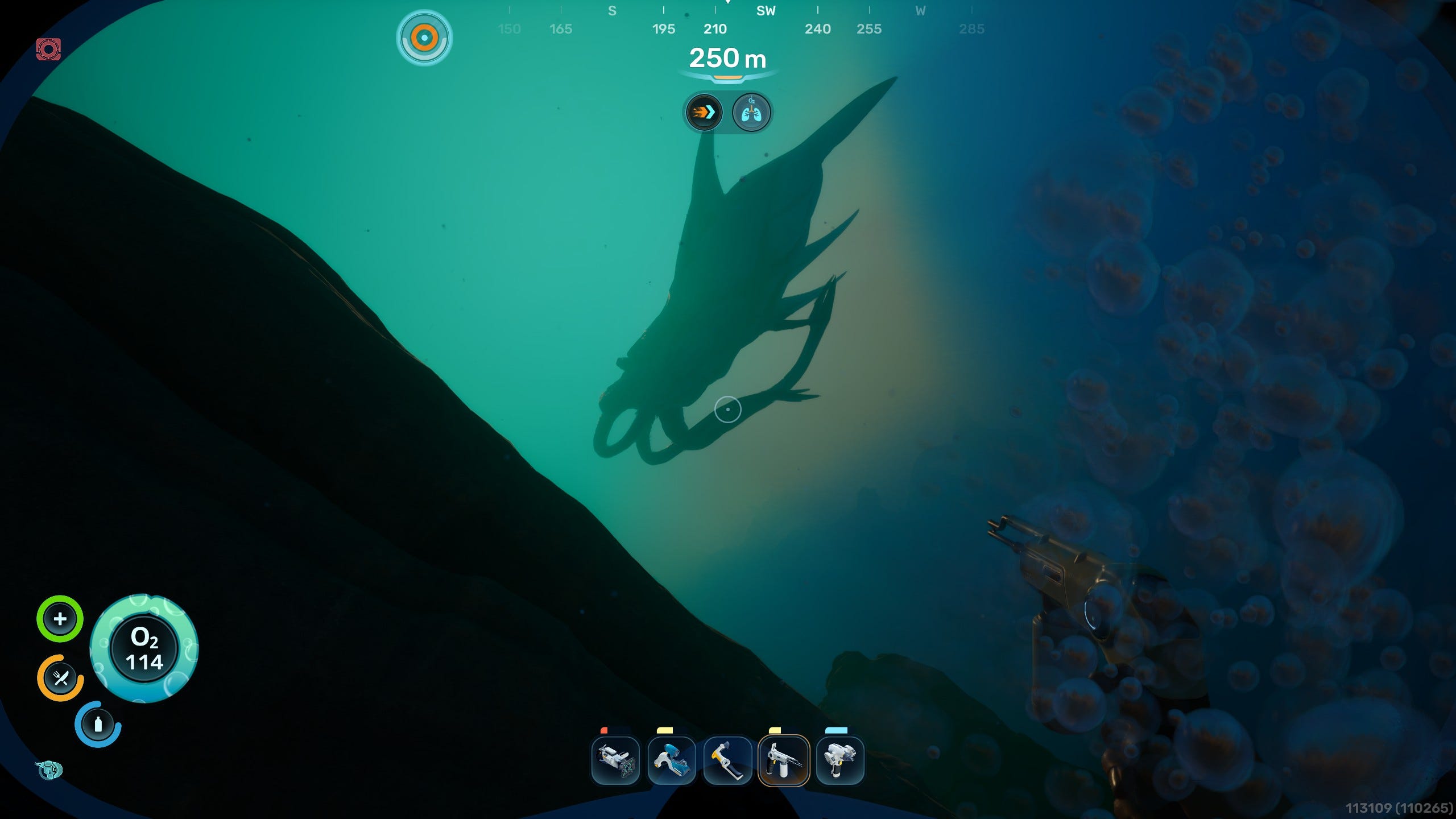
In my review of Subnautica, I highlighted how terrifying the game is to many players as they encounter the Leviathans and hear them roar. The feeling remains. You know for a fact this is all just code, pixels and soundwaves combined in a way that makes them feel real, but it doesn’t stop you from feeling the fear anyway. And the fear is healthy because they can mess up your progress and kill you.
At the same time, Subnautica 2 invites you to go deeper, to think deeper about the circumstances of what you’re doing with this world. Why do we feel the urge to explore and exploit unknown worlds, full of alien shock and awe, drowning in mysteries and puzzles? Why do we need to catalogue alien species and disturb the waters of Leviathans? We can’t answer these questions except by playing the games.
Subnautica 2 includes a new mechanic where adaptation leads to mutations that redefine what it means to be human in this fictional universe. You find some gigantic plants infected, and after you manage to heal them, you can absorb their cores and use them to create new adaptations and gameplay boosts. But there is something deeper about this adaptation process that is only hinted at.
Human adaptation to alien biospheres and biomes is now a central problem in science fiction. We have seen this in films such as Bong Joon-ho’s Mickey 17. This redefinition of the human is perhaps what gaming can communicate better than other media forms. Placing you in a physical first-person presence in the world of Subnautica conveys how out of place humans would really be on an alien planet.
Disclosure: Subnautica 2 was previewed on PC with a Steam copy purchased by the reviewer over the course of twenty-six hours of play time. The game is out in Early Access on Steam and Xbox Game Preview. More information is available on the official website.